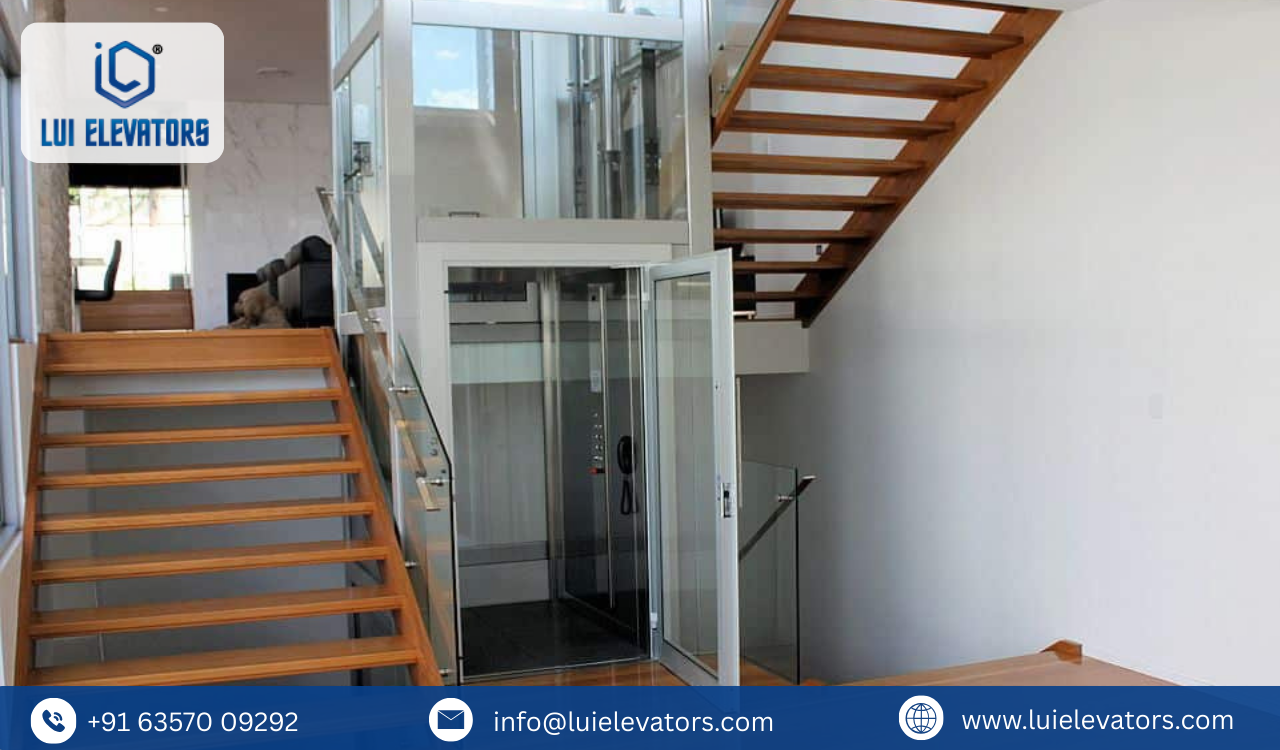
Over the years, home elevators have become an integral part of residential buildings such as apartments, flats, bungalows, and low-rise multi-story homes. Residential elevators not only assist individuals with limited mobility but also improve accessibility between floors and enhance the overall aesthetics of a home.
In this blog, we highlight some important factors every personal lift-for-home user should know before installation.
When planning a home elevator, it is essential to consider the convenience of elderly family members and individuals with physical challenges. Lifts provide safe and effortless access to different floors, eliminating difficulties caused by joint pain or age-related mobility issues.
With a residential lift installed, elders can comfortably access all levels of the house, promoting independence and strengthening family bonding.
Whether you are installing an elevator in a new construction or an existing home, identifying the right location is crucial. The placement should be practical, accessible, and aesthetically aligned with your home’s layout.
Always consult your architect, builder, or building planner before making a final decision. These professionals have the technical expertise required for proper elevator planning and installation.
Before placing an order for a home elevator, determine whether you have adequate space for installation. Residential elevators should complement the interior without disrupting the overall layout of your home.
If your home has limited space, seek expert advice. Older or smaller homes may present installation challenges. In such cases, shaftless elevators or MRL (Machine Room-Less) elevators are often recommended as space-saving solutions.
Most home elevators require a pit depth of approximately 8 inches, along with proper structural support for the shaftway. Professional technicians must ensure that all safety and structural standards are met during installation.
In many homes, areas near stairways can be adapted to accommodate an elevator. However, expert consultation is strongly recommended before proceeding.
Surprisingly, garages can also serve as practical spaces for elevator installation. A hoistway can be installed without significantly affecting your parking area.
A personal lift for home enables safe, quick, and convenient movement from your car directly into your living space.
Elevators are sensitive systems used daily by your loved ones. Safety and quality should never be compromised. Always purchase your home elevator from reputable and experienced residential elevator manufacturers.
Installing a residential elevator is a significant investment that enhances accessibility, comfort, and property value. By carefully considering mobility needs, space availability, installation requirements, and product quality, you can ensure a safe and efficient home elevator system.
We hope this blog has expanded your understanding of residential elevators and the key factors to consider before installing a personal lift for home.

+91 63570 09292
info@luielevators.com
D-16,20,21 Swarnim Industrial Park, Phase-2, Bakrol - Bujrang, Ahmedabad-382430