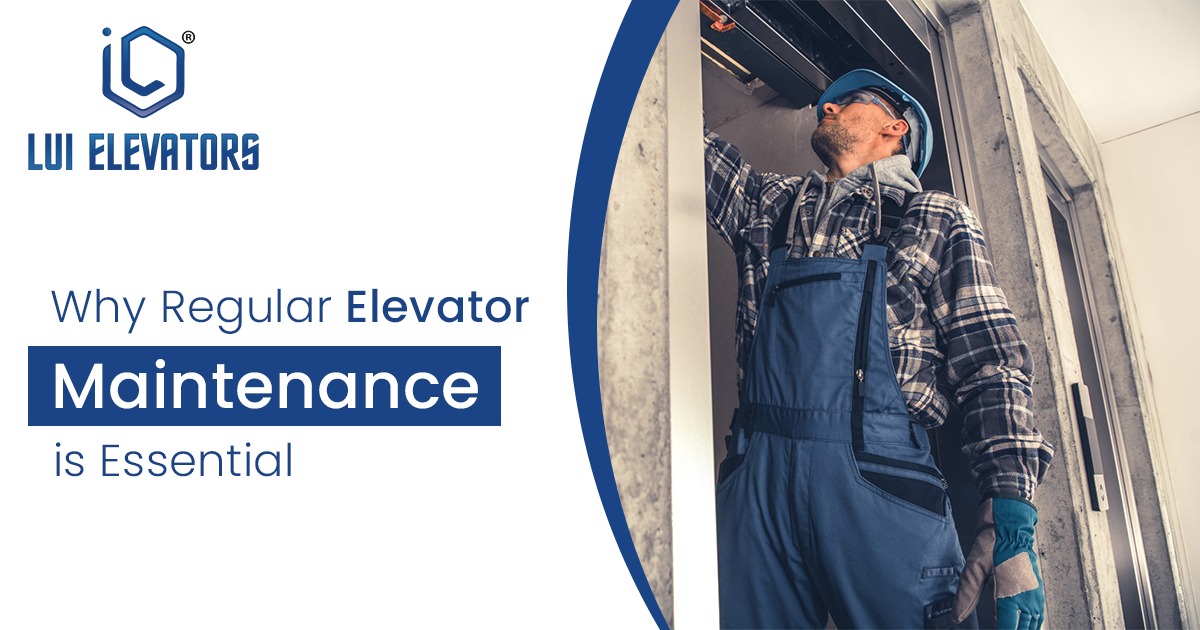
Unlike traditional buildings dominated by staircases, modern constructions prioritize accessibility and convenience through safe and efficient elevators. Whether in residential complexes, commercial spaces, or high-rise offices, elevators ensure smooth vertical transportation and support daily operations.
However, despite their importance, elevator maintenance is often overlooked. Regular inspections are essential not only for operational efficiency but also for safety and long-term performance. Let’s understand why routine elevator maintenance is crucial.
Elevator safety is paramount. Regular maintenance helps identify potential hazards before they escalate into serious problems. Malfunctions can lead to accidents, injuries, or even fatalities if ignored.
Scheduled inspections ensure that critical components such as alarms, braking systems, communication systems, and control panels function correctly. Compliance with local safety regulations and building codes further reduces liability and ensures maximum safety.
Elevators are designed to provide smooth, quiet, and comfortable rides. Routine servicing helps address issues such as jerky movements, unusual noises, irregular stops, or delayed door operations.
Regular check-ups by experienced technicians and manufacturers ensure consistent performance, leading to higher user satisfaction and a positive impression of the building.
A well-maintained elevator significantly enhances the value of a property. Prospective buyers and tenants are more likely to invest in buildings where elevators operate smoothly and efficiently.
Consistent maintenance builds trust, reflects a commitment to safety, and increases rental and resale value in the competitive real estate market.
Like any mechanical system, elevators have a finite lifespan. Regular maintenance minimizes wear and tear, ensuring that components such as motors, traction machines, and pulleys operate in optimal condition.
Preventive care reduces the risk of sudden breakdowns and delays costly replacements, maximizing return on investment.
Properly maintained elevators operate more efficiently and reliably over time. Routine inspections ensure that motors, traction systems, and control mechanisms function smoothly.
This enhances speed, reliability, and overall performance while minimizing downtime and operational disruptions.
Unexpected elevator failures can be highly disruptive, especially in high-traffic buildings. Even a short downtime in a multi-story building can cause inconvenience and operational challenges.
Preventive maintenance minimizes the chances of sudden breakdowns, ensuring uninterrupted service and smooth movement of people and goods.
Prevention is always better than cure. Ignoring minor issues can lead to major mechanical failures requiring significant investment.
Early detection through routine maintenance allows small repairs to be handled promptly, saving money and avoiding extensive damage.
Regular elevator maintenance is an essential responsibility for builders and property owners. It enhances safety, improves user experience, extends lifespan, boosts property value, and prevents expensive repairs.
Investing in quality elevators and scheduling timely maintenance ensures long-term efficiency and reliability. Make the right investment at the right time to maximize safety, performance, and overall returns.

+91 63570 09292
info@luielevators.com
D-16,20,21 Swarnim Industrial Park, Phase-2, Bakrol - Bujrang, Ahmedabad-382430